
Friday, October 11, 2019
We just finished week five (Sept. 30-Oct. 4) and six (Oct. 7-Oct. 11) in portable two and here is a bit of what’s been going on:
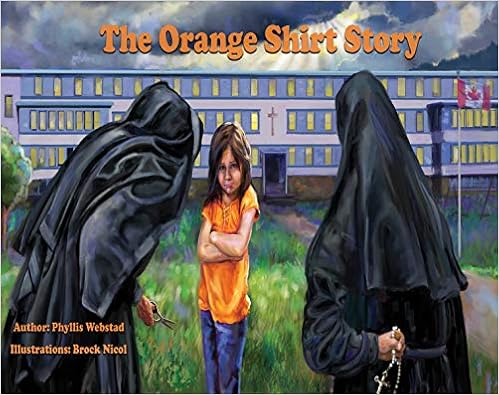
Orange Shirt Day on September 30th – WPS participated in Orange Shirt Day along with many other people across Canada. Orange Shirt Day is an event that started in 2013. It is an opportunity to create meaningful discussion about the effects of residential schools and the impact they have had on Indigenous communities. Our class read the Orange Shirt Story to learn about how Orange Shirt Day began. The story is written by residential school survivor Phyllis Webstad. In the story, her granny had bought her a new, bright orange shirt for her first day at residential school. After Phyllis arrived, her new shirt was taken away and her hair was cut off short. Forty years later, Phyllis remembers that the colour orange has always reminded her of how her feelings didn’t matter, how no one cared, and how she felt she was worth nothing. Phyllis’ experience is used to teach many students across Canada about residential schools and their assimilation practices.
Drama – One of the games that we like to play for drama to practice role play is called, Shazzam. It is played similar to rock, paper, scissors except you choose to play the role of a Wizard, Knight, or Giant. There are two opponents that face off against each other and on the count of three, they choose a role. Wizards wave their hands in the air and say, Shazzam. Giants stomp their feet on the floor and say, FEE FI FO FUM. Knights stick out their sword and say, En Garde. Wizards beat Knights. Knights beat Giants. Giants beat Wizards.
Math – One of our learning goals for math: I can clearly communicate my math thinking and ideas on paper. No matter what we’re learning in math, being able to effectively communicate our math thinking and ideas is a very important skill. When Mrs. Pragnell assigns an independent math task, it is up to the students to clearly communicate their math thinking and ideas on paper (using words, symbols, numbers, pictures, models, manipulatives, colour coding, charts, and/or labels). It’s also important to check over the work and ask, would this make sense to someone else?
Reading – One of our learning goals for reading: I can identify a variety of text features and explain how they help readers understand texts. We are discovering that there are so many different types of text features – titles, headings, labels, diagrams, bullet points, bold text, the list could go on and on! When a student is able to identify and use text features, they become readers who understand more of what they are reading.
Writing – One of our learning goals for writing: I can identify why I am writing (purpose). There are many reasons why writers write but we have learned that the three main reasons include: to persuade my audience, to inform my audience, OR to entertain my audience. When writers take the time to understand their purpose for writing it gives their writing focus and helps to stay on topic.
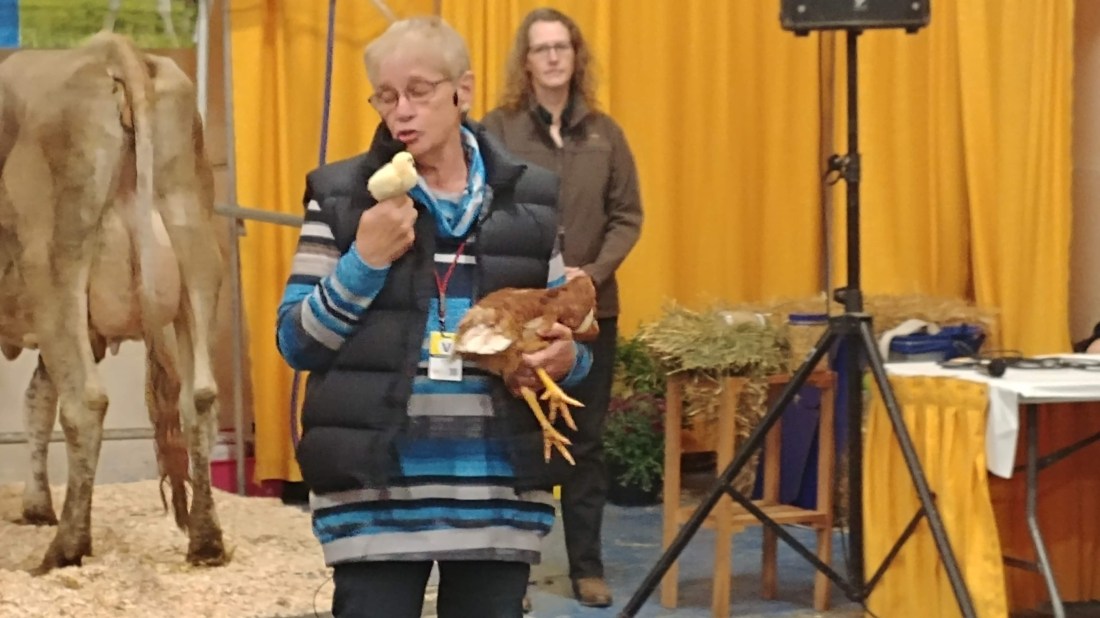
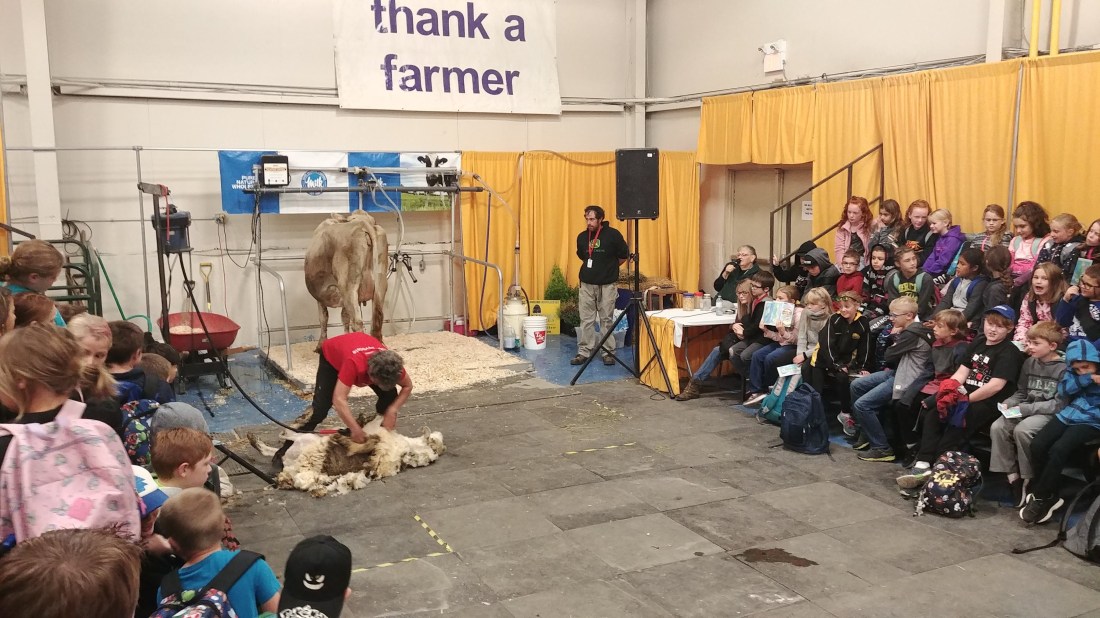
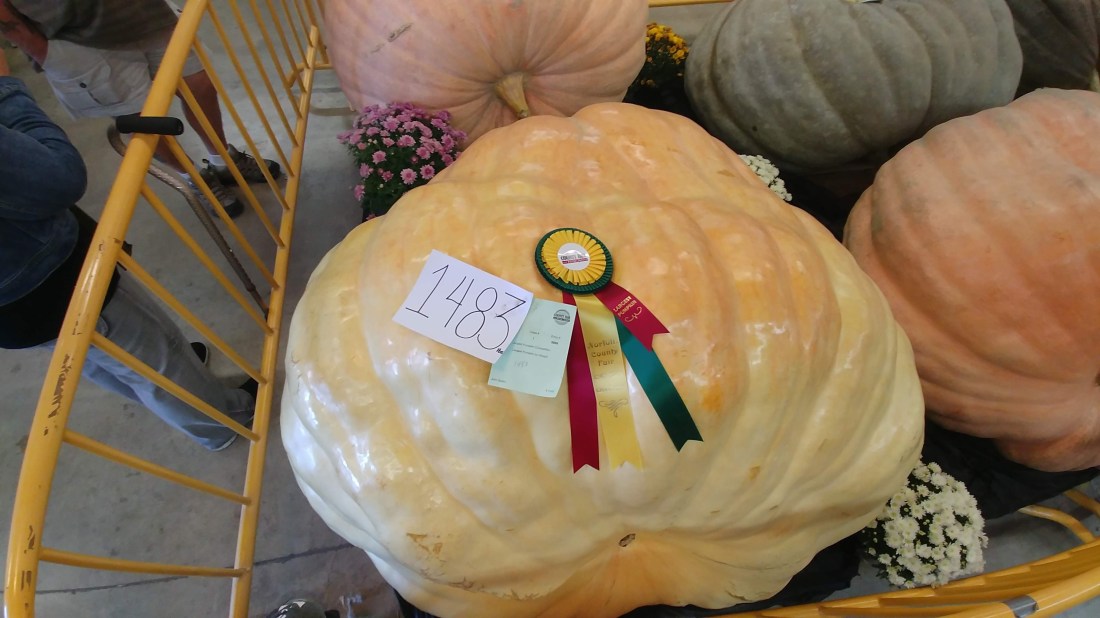
The Norfolk County Fair – On Wednesday, October 9th, we traveled to the Norfolk County Fair for a field trip. We learned about agriculture, toured the buildings, and searched for answers to the questions on our fair passports. One of the highlights was an agricultural presentation where we heard various farmers speak about their livestock and crops (e.g., apple farmer, dairy farmer, pig farmer, beef cattle farmer, chicken farmer). We also watched a dairy cow getting milked and a sheep being sheared. The students had a great time and learned a lot about agriculture. Here are a few pictures from the day:





If you have any questions, comments, or concerns please feel free to email me at julie.pragnell@granderie.ca OR call me at school: 519-443-8942.
-Mrs. Julie Pragnell
 The Pragnell Press